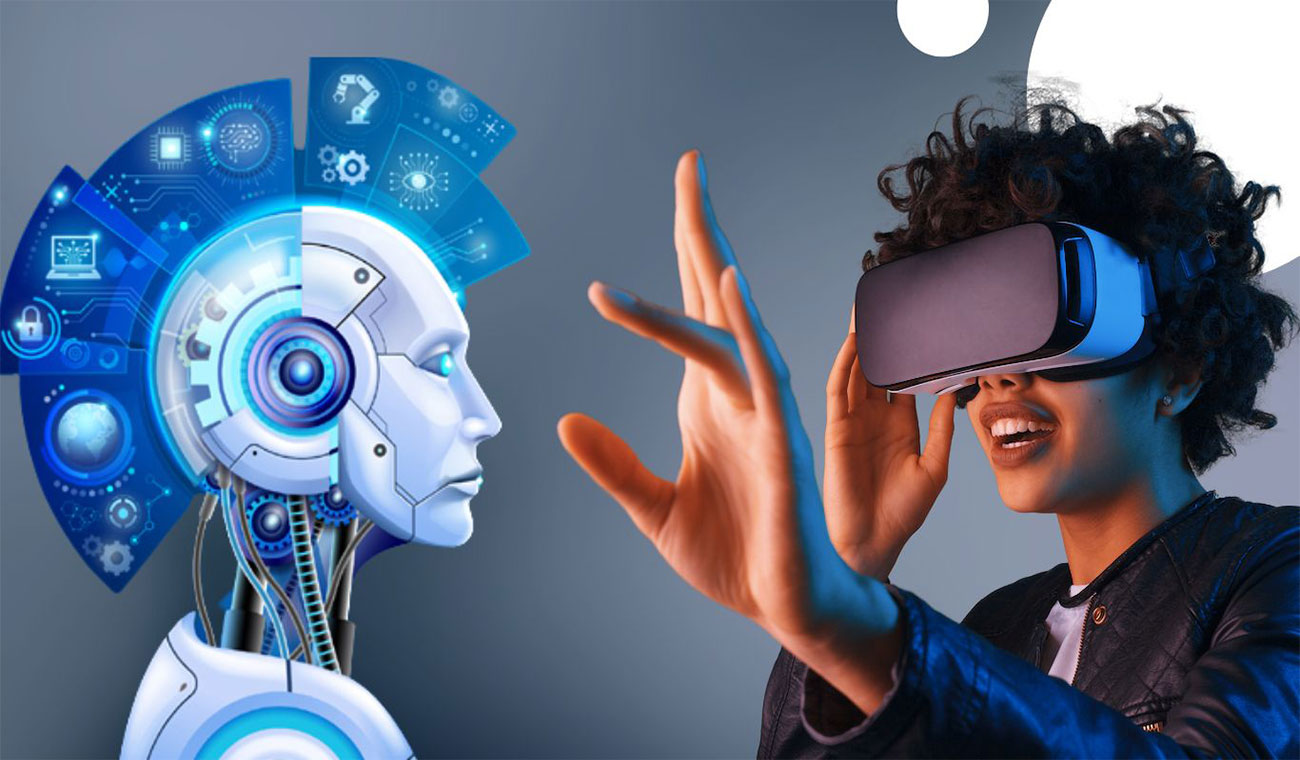
As technology continues to evolve, so does the way we learn. Two of the most transformative technologies in education today are Artificial Intelligence (AI) and Virtual Reality (VR). These innovative tools are revolutionizing the learning experience, making it more personalized, immersive, and effective. Here’s how AI and VR are enhancing education and what it means for students and educators.
1. Personalized Learning with AI
One of the most significant impacts of AI in education is its ability to provide personalized learning experiences. AI-driven systems can analyze a student’s performance, learning style, and preferences to create customized learning paths. This tailored approach ensures that each student receives the right level of challenge and support, helping them progress at their own pace.
Adaptive Learning Platforms: AI-powered adaptive learning platforms adjust the difficulty of tasks based on the student’s performance. For instance, if a student struggles with a particular concept, the platform provides additional resources and practice opportunities until the student masters it.
Intelligent Tutoring Systems: These systems offer one-on-one tutoring sessions, simulating the experience of having a personal tutor. They can answer questions, provide explanations, and give instant feedback, enhancing the learning process.Predictive Analytics: AI can predict future performance and identify at-risk students by analyzing data such as attendance, participation, and assessment scores. This allows educators to intervene early and provide targeted support to those who need it most.
2. Immersive Learning with VR
Virtual Reality (VR) takes learning to a whole new level by creating immersive and interactive environments. This technology enables students to experience concepts and scenarios that would be impossible or impractical in a traditional classroom setting.
Virtual Field Trips: VR can transport students to different parts of the world or even back in time. Imagine exploring ancient civilizations, walking through the Amazon rainforest, or touring a space station—all from the classroom. These virtual field trips make learning more engaging and memorable.
Simulated Environments: VR allows students to practice skills in a safe, controlled environment. Medical students can perform virtual surgeries, engineering students can build and test structures, and language learners can engage in conversations with virtual native speakers. These simulations provide hands-on experience without the risks or costs associated with real-world practice.
Interactive 3D Models: Complex concepts, such as the human anatomy or molecular structures, can be visualized and manipulated in three dimensions. This helps students understand and retain information better than traditional 2D diagrams.
3. Enhancing Engagement and Motivation
Both AI and VR have the potential to significantly increase student engagement and motivation. By making learning more interactive and personalized, these technologies can help students stay focused and interested in their studies.
Gamification: AI and VR can incorporate game-like elements into educational content, such as earning points, badges, or progressing through levels. This gamification makes learning fun and competitive, encouraging students to stay engaged.
Immediate Feedback: AI provides real-time feedback, allowing students to understand their mistakes and learn from them instantly. This immediate reinforcement helps keep students motivated and on track
4. Supporting Diverse Learning Needs
AI and VR can cater to a wide range of learning needs and styles, making education more inclusive.
Accessibility: AI can offer text-to-speech, speech-to-text, and other assistive technologies for students with disabilities. VR can provide customized learning environments that accommodate different physical and cognitive needs.
Language Support: AI-powered language translation and transcription tools can help non-native speakers understand and participate in lessons, breaking down language barriers.
5. Teacher Empowerment
These technologies also empower educators by providing valuable insights and freeing up time for more personalized instruction.
Data-Driven Insights: AI can analyze student performance data to identify trends and inform instructional strategies. Teachers can use these insights to tailor their teaching methods and address the needs of individual students more effectively
Automating Administrative Tasks: AI can automate grading, attendance tracking, and other administrative tasks, allowing teachers to focus more on teaching and interacting with students.
Conclusion
The integration of AI and VR in education is transforming the way we teach and learn. These innovative tools offer personalized, immersive, and engaging learning experiences that cater to diverse needs and preferences. As we continue to explore and develop these technologies, the potential for enhancing education is boundless. At Project Growth, we are committed to leveraging AI and VR to create cutting-edge learning environments that empower students and educators alike. Embrace the future of education with us and discover how these technologies can enrich your learning journey.
Discover how Project Growth is leveraging technology to transform learning. Explore our courses and resources today at Project Growth.
